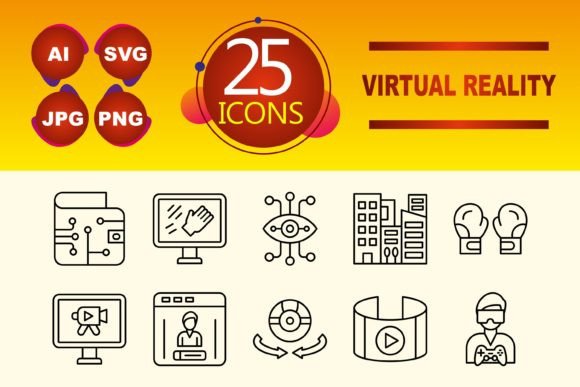
Virtual Reality Graphics for Modern Content Publishing
The First Impression of Virtual Reality Icons
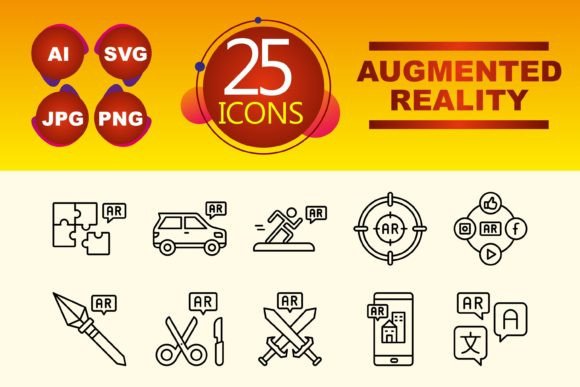
As a seasoned blog designer and digital publisher, the first thing that catches my eye with Virtual Reality is its modern, tech-forward aesthetic. The icons are clean, geometric, and highly stylized, which immediately signals a contemporary and forward-thinking visual language. This set of icons feels perfect for content creators aiming to project innovation and clarity in their editorial work.
Editorial Mood and Reader Perception
Virtual Reality creates a mood that’s both futuristic and approachable. It leans into the idea of exploration and immersion, making it ideal for content that aims to educate or inspire. Whether you're writing about emerging technologies, digital trends, or interactive media, these icons add a layer of credibility and visual interest that enhances reader trust.
Where Virtual Reality Fits Best in Publishing Workflows
- Blog Featured Images: Use Virtual Reality icons as headers or accents to draw attention to key sections of your articles.
- Pinterest Pins: These icons work exceptionally well as part of visually engaging pins, especially for topics related to technology, design, or education.
- Website Headers: Incorporate them into your site’s header design to reinforce your brand identity and create a cohesive look across your digital presence.
- Newsletter Graphics: Add a touch of modernity to your email newsletters by using these icons in subject lines or as visual separators.
- Downloadable Resources: These icons can be used in lead magnets, digital guides, and printable designs to make your content more appealing and professional-looking.
- Social Media Posts: Ideal for Instagram, Twitter, and LinkedIn visuals, they help maintain a consistent brand image across platforms.
- Canva Templates: Perfect for creating custom templates that align with your brand's visual style and message.
Supporting Content Performance with Virtual Reality
Virtual Reality icons offer more than just visual appeal—they enhance content performance in several ways. They provide a stronger first impression, helping readers quickly understand the topic at hand. By reinforcing visual hierarchy, they guide the reader’s eye through your content more effectively. Additionally, these icons increase click-through potential, especially when used in thumbnails or social media previews.
They also support consistent branding by ensuring that your visual assets align with your overall brand identity. With improved reader trust and better category recognition, Virtual Reality icons help your content stand out in a crowded digital space. Overall, they contribute to a stronger visual identity that supports both editorial quality and web design best practices.
When to Use Virtual Reality Carefully
While Virtual Reality icons are versatile, there are situations where they may not be the best choice. For instance, on small mobile thumbnails, the detail might get lost, making the icon less effective. Similarly, in text-heavy blog images or low-contrast backgrounds, the icons could become distracting rather than helpful.
They should also be used cautiously in serious professional niches or corporate content, where a minimalist or more traditional design might be more appropriate. If your website relies on a very minimal visual system, consider using these icons sparingly to avoid overwhelming the user experience.
Practical Publisher Notes for Using Virtual Reality
Before incorporating Virtual Reality into your publishing workflow, take a few steps to ensure optimal results. Test the icons on both desktop and mobile screens to see how they perform across devices. Check how they look as a thumbnail, especially if you plan to use them in Pinterest or social media contexts.
Preview the icons inside a real blog layout to gauge their impact on readability and visual balance. Test them with different headline texts to see how they interact with your typography. Always check contrast and readability, especially when using dark or light-colored backgrounds.
Try the icons in black and white to assess their effectiveness without color. Place them beside various font styles—serif, sans serif, script, and display—to determine how they complement your overall design. Review file size for web performance and compress images properly to maintain fast loading times.
Finally, confirm that you have a commercial license before using these icons on monetized websites, affiliate pages, or paid content products. A proper commercial license ensures that you’re using the graphic design asset legally and professionally.
Virtual Reality as a Creative Design Asset
Virtual Reality is more than just a set of icons—it’s a creative design asset that can elevate your content marketing efforts. Whether you're working on a digital guide, a downloadable printable, or a Canva template, these icons provide a modern and versatile solution that fits seamlessly into your workflow.
For small business branding, these icons can help establish a strong visual identity that resonates with your audience. In the world of digital downloads and creative marketplaces, having access to high-quality, professionally designed assets like Virtual Reality can make all the difference in standing out from the competition.
Conclusion: Elevating Your Content with Virtual Reality
Virtual Reality icons are a powerful tool for bloggers, publishers, and content creators looking to enhance their digital presence. They bring a fresh, modern aesthetic to your editorial design, supporting everything from blog graphics to social media visuals. By understanding where and how to use these icons effectively, you can improve your website branding, content performance, and overall visual communication strategy.