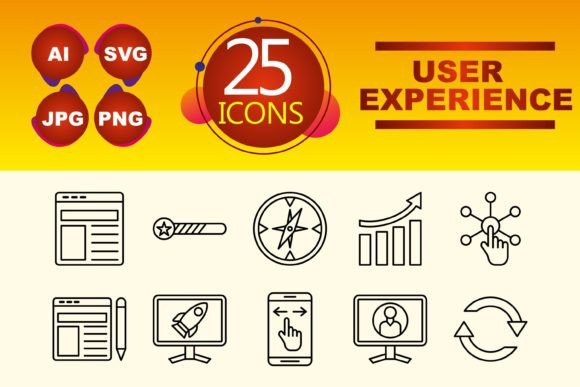
Reaction Graphics: A Powerful Icon for Modern Design
First Impressions Matter: The Editorial Mood of Reaction
The first time I saw Reaction, I was immediately drawn to its clean lines and intentional design. This beautiful, meticulously designed feedback icon exudes a sense of clarity and professionalism that’s perfect for content creators looking to elevate their visual storytelling. It feels modern, yet approachable—ideal for a wide range of niches from lifestyle and education to digital marketing and creative entrepreneurship.
Where Does Reaction Fit Best?
Reaction is a versatile graphic design asset that can seamlessly integrate into various publishing workflows. Whether you're crafting blog featured images, designing Pinterest pins, or building Canva templates, this icon offers a consistent visual element that supports your brand identity without overpowering the message.
Editorial Design often relies on subtle yet effective visual cues to guide the reader through content. Reaction serves as a great accent in editorial layouts, helping to highlight key points or add a touch of personality to otherwise static content. Its presence can enhance visual hierarchy and make your articles more engaging.
Real-World Publishing Use Cases
Let’s imagine a scenario where a blogger is preparing a new article on digital marketing trends. They might use Reaction as a website header or a blog graphic to draw attention to a section about user feedback. In this context, the icon becomes a visual anchor, guiding the reader's eye and reinforcing the topic at hand.
For social media graphics, Reaction can be a standout element in a Pinterest pin or a newsletter header. It adds a professional yet friendly tone, making it suitable for both educational and lifestyle content. When used in digital guides or lead magnets, it can help create a cohesive look that aligns with the brand’s aesthetic.
How Reaction Supports Content Performance
One of the biggest advantages of using Reaction is how it enhances content marketing efforts. By adding a polished, clickable visual element, it can increase click-through potential and improve the overall reader trust in your content. It also helps with category recognition, making it easier for readers to navigate through different sections of your website or blog.
Additionally, Reaction contributes to a stronger brand identity by maintaining consistency across all your design assets. Whether it’s used in printable designs, downloadable resources, or digital products, it ensures that your brand remains visually coherent and recognizable.
Best Practices for Using Reaction
To get the most out of Reaction, consider where it works best and where it should be used with caution. It shines in hero images, article thumbnails, and social media previews. These placements allow the icon to stand out while still supporting the main content.
However, it’s important to use Reaction carefully in certain contexts. For example, small mobile thumbnails may not showcase its full impact, and text-heavy blog images could risk overshadowing the content. It’s also advisable to avoid using it on low-contrast backgrounds or in busy layouts where it might get lost.
Publisher Notes for Optimal Use
Before finalizing your design, test Reaction on both desktop and mobile screens to ensure it looks good across devices. Preview it within a real blog layout to see how it integrates with your existing design elements. Try pairing it with different font styles—serif, sans-serif, script, or display—to find the best visual balance.
Always check the contrast and readability of the icon against the surrounding text. Testing it in black and white can also reveal any issues with visibility. Make sure the file size is optimized for web performance, and compress images properly to maintain quality without sacrificing speed.
Finally, confirm that you have a commercial license before using Reaction on monetized websites, affiliate pages, or paid content products. This ensures that you’re compliant with usage rights and can confidently incorporate it into your creative design workflow.
Conclusion: Elevating Your Visual Identity with Reaction
As an experienced blog designer and digital publisher, I’ve found that Reaction is more than just an icon—it’s a powerful tool for enhancing web design, editorial design, and brand identity. Its ability to support a wide range of content types makes it an invaluable addition to any creative marketplace or small business branding toolkit.
Whether you’re creating digital downloads, printable designs, or social media graphics, Reaction has the potential to elevate your content and make it more engaging for your audience. With the right approach, it can become a staple in your design assets collection, helping you deliver polished, professional, and visually compelling content every time.