Mobile UI UX
A Designer’s Take on the Mobile UI UX Embroidery Design
As a designer who frequently works with embroidery files for custom apparel, handmade products, and digital design assets, I approach every new machine embroidery design with a critical eye. When I first opened the Mobile UI UX set, I was struck by its clean, modern aesthetic and its potential to elevate a variety of projects. But before I could consider using it in real embroidery work, I needed to evaluate how well it would perform under the practical demands of stitching.
First Impressions: Clean Lines, Minimalist Mood
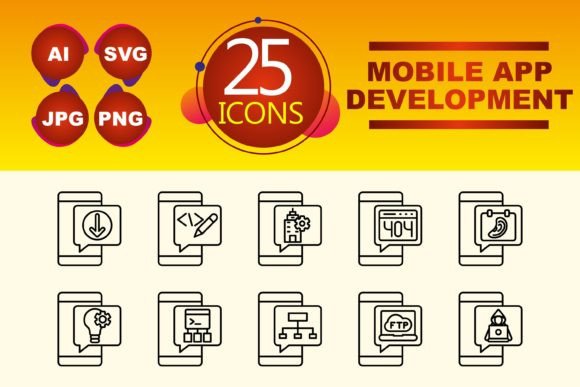
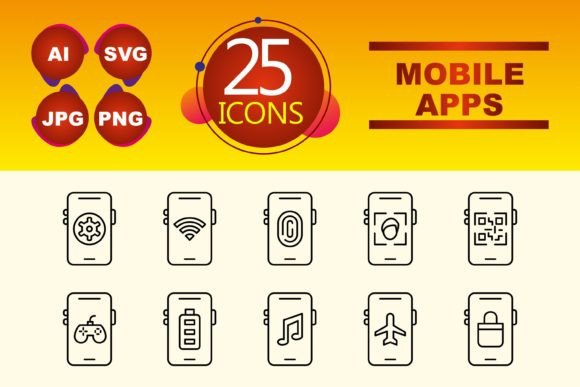
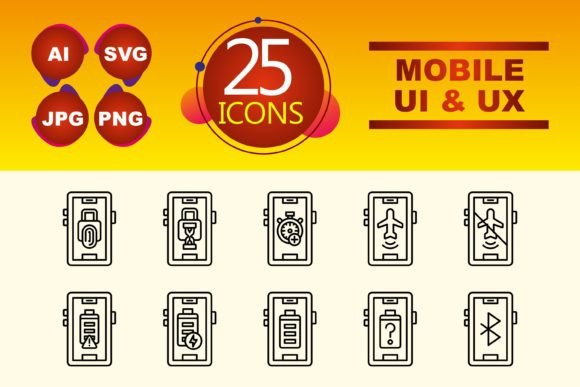
The Mobile UI UX icons are available in line format, which immediately caught my attention. The simplicity of the lines creates a sleek, contemporary feel that aligns well with modern branding and design trends. These icons don’t shout for attention; instead, they whisper elegance and professionalism. This makes them ideal for projects where subtlety and clarity are key, such as custom apparel, sweatshirt embroidery, or personalized gifts.
I found myself imagining how these icons might look on a tote bag or a baby item. The minimalist design allows for easy integration into various styles without overwhelming the product. However, I also considered the implications of this simplicity—would the design still hold up when stitched?
Real-World Application: Testing the Design
To get a better sense of how the Mobile UI UX would perform, I thought about real-life scenarios. For instance, if I were creating an embroidered patch for a small shop product, the line-based design would be perfect. It offers enough detail to convey meaning while maintaining a clean appearance. But what about on a curved surface like a cap or a hat? That’s where I need to be cautious.
Line-based designs can sometimes struggle with curves and intricate shapes due to stitch density and fabric texture. I recommend testing the Mobile UI UX on scrap fabric first, especially if you’re working with textured or stretchy materials. The stitch density and hoop size will play a significant role in how well the design translates from screen to fabric.
Design Considerations for Different Projects
The Mobile UI UX is versatile, but not without limitations. For example, it may not be suitable for small hoop sizes or dark fabric backgrounds. Dark fabrics can make line-based designs appear faint or washed out, especially if the thread color contrast isn’t strong enough. I suggest checking the thread colors and stabilizer recommendations before proceeding with a project.
On the other hand, the Mobile UI UX shines in projects that require a professional, clean look. A holiday embroidery project, such as a festive pillow cover or a personalized gift, could benefit greatly from these icons. They add a touch of modernity without being too flashy. Similarly, commercial embroidery projects like boutique branding or Etsy listings might find value in using these icons to create a cohesive visual identity.
Practical Notes for Embroidery Designers
If you're an Etsy seller or running a craft business, the Mobile UI UX could be a valuable addition to your design toolkit. However, it’s important to review the license terms before selling finished items or digital products. Always confirm whether the design is intended for commercial use and ensure you have the proper rights to distribute it.
Before committing to a large-scale project, I recommend doing a few things: test the design on scrap fabric, check the stitch density and hoop size, and inspect small details like corners and lettering. These icons are great for printable mockups and digital embroidery files, but they should be evaluated carefully in context.
Visual Appeal and Customer Trust
One of the most important aspects of any embroidery design is its ability to maintain visual appeal after stitching. The Mobile UI UX has the potential to look stunning on fabric, especially when paired with the right thread colors and stabilizer. However, it’s crucial to consider how the design will appear on different types of fabric, including thin fabric, textured fabric, and layered garments.
For handmade products and personalized gifts, the Mobile UI UX can enhance the overall presentation. Customers often appreciate the attention to detail and the clean, modern aesthetic. But remember, the visual appeal of the final product depends heavily on how well the design translates from digital to physical.
Final Thoughts: A Thoughtful Choice
The Mobile UI UX is a promising design for those looking to add a modern, minimalistic touch to their embroidery projects. It’s well-suited for custom apparel, embroidered patches, and digital embroidery files, but it requires careful consideration when used in certain contexts.
As a designer, I always encourage experimentation and thoughtful evaluation. Before using the Mobile UI UX in a real project, take the time to test it thoroughly. With the right approach, this design can become a valuable asset in your creative arsenal.