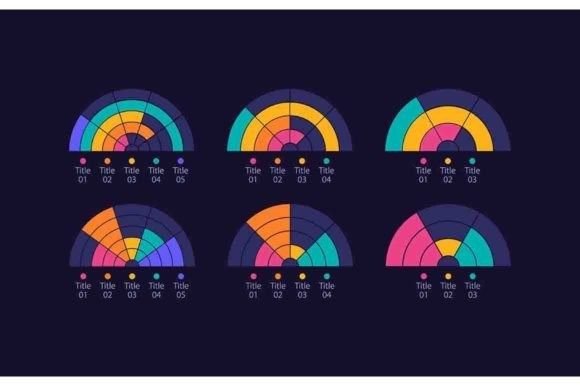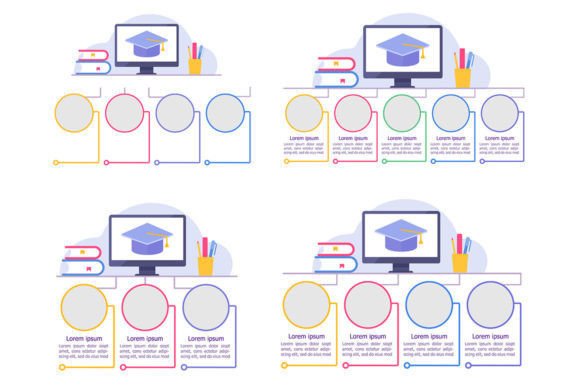
Distance Learning Infographic Templates
A Designer’s Take on Real-World Use
As a designer who frequently works with embroidery files and custom projects, I’ve had the chance to evaluate many machine embroidery designs for real-world use. One that recently caught my eye is Distance Learning Infographic Templates. At first glance, it presents itself as a clean, modern set of graphics that could easily fit into a variety of creative applications. But before I consider using it in a client project or selling it as a digital product, I need to assess its practicality, visual appeal, and suitability for different embroidery scenarios.
First Impressions: Mood and Layout
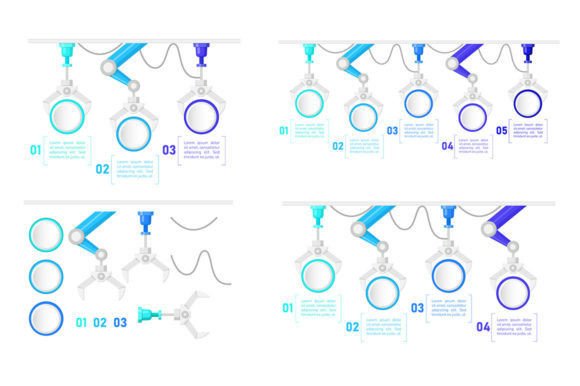
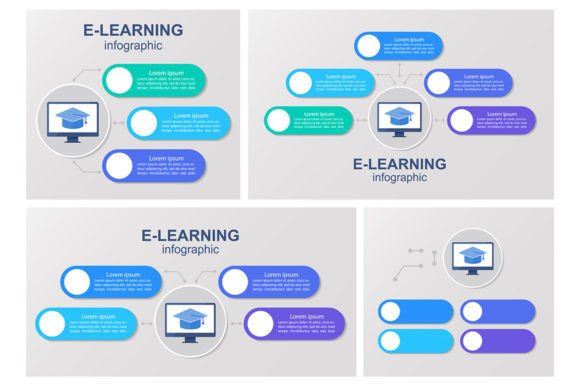
The Distance Learning Infographic Templates immediately convey a sense of clarity and structure. The abstract vector format gives it a professional yet approachable feel, which makes it versatile for both personal and commercial use. The layout is well-organized, with clear sections that suggest step-by-step instruction or data presentation. This kind of design can be especially useful for educational or informational products, like custom tote bags, aprons, or patches that aim to communicate a message effectively.
One thing I noticed is the emphasis on blank copy spaces. This is a thoughtful feature for designers looking to personalize the templates further. Whether you're creating a custom embroidered patch for a school project or a personalized gift for a teacher, having areas to add text gives the design flexibility and uniqueness.
Real-Life Scenario: Custom Tote Bag Design
Let’s imagine a scenario where I’m preparing a custom tote bag for a local craft fair. The Distance Learning Infographic Templates could serve as the central graphic, placed prominently on the front panel. Its structured layout would help guide the viewer through a learning process or provide useful information about distance education. However, I need to consider how this design will translate when stitched onto fabric.
For instance, the abstract vector style may not translate perfectly to a stitched image, especially if there are intricate details or small text elements. I’d want to test the design on scrap fabric first to see how the stitch density and thread colors interact with the fabric texture. A light-colored fabric might enhance the design’s clarity, while a dark background could make some elements less visible.
Practical Considerations for Embroidery Projects
When evaluating any embroidery design, I always consider how it performs in various real-life situations. For example, the Distance Learning Infographic Templates might work well on a tote bag or sweatshirt, but it could be challenging to apply to a baby item or a cap due to the potential for dense stitching or detailed corners.
- Small Hoop Sizes: The design may require a larger hoop size to maintain clarity, especially if there are multiple elements or intricate details.
- Textured Fabrics: The abstract nature of the design could look better on smooth fabrics rather than those with a rough texture.
- Dark Fabric: Testing on dark backgrounds is essential to ensure that the design remains legible and visually appealing.
- Stretchy or Thin Fabric: These materials can affect the overall appearance of the design, so it's important to use proper stabilizer and adjust stitch settings accordingly.
Additionally, the Distance Learning Infographic Templates should be considered for its impact on customer trust and brand consistency. If used in a small shop product or Etsy listing, the design needs to look professional and high-quality. It should complement the overall branding and not distract from the product’s purpose.
Design Notes for Embroidery Professionals
If you're an experienced designer or a small business owner, here are some key considerations before using the Distance Learning Infographic Templates:
- Test on Scrap Fabric: Always check how the design looks when stitched before applying it to your final product.
- Review Thread Color Contrast: Ensure that the chosen thread colors stand out against the fabric background.
- Confirm Stitch Density: Dense areas may cause issues with stitching clarity, especially on smaller items.
- Inspect Small Details: Check for tiny lettering or decorative accents that may be lost during the embroidery process.
- Use Proper Stabilizer: This is crucial for maintaining the design’s integrity and preventing puckering.
- Check Licensing: Before selling finished products or digital files, confirm the licensing terms to avoid legal issues.
Ultimately, the Distance Learning Infographic Templates offer a unique opportunity for creative expression, but they also require careful consideration before being applied to real projects. Whether you're crafting a personalized gift, designing for a boutique, or creating digital assets for sale, the right preparation and testing can make all the difference in the final result.