Deadline
A Business Icon That Speaks Volume
As a designer who’s stitched through countless projects, I approach each embroidery file with the same level of scrutiny I’d apply to a client’s brand identity. Deadline is no exception. At first glance, it exudes a sense of urgency and professionalism—qualities that align perfectly with its intended purpose as a business icon. The design is clean, bold, and immediately recognizable, which makes it an excellent choice for branding or promotional materials.
The First Impression: A Visual Statement
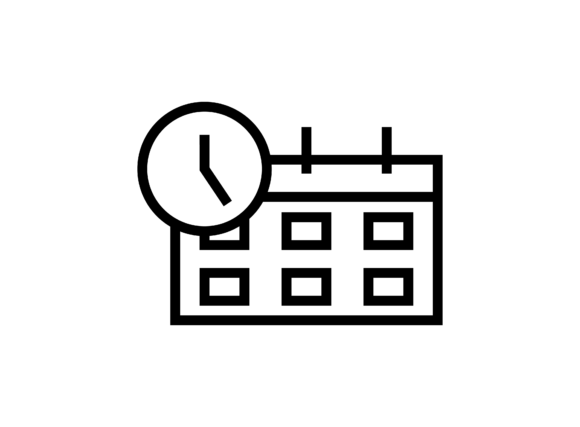
Deadline cuts a confident figure on screen. Its shape is geometric, with sharp lines and minimalistic details that suggest efficiency and precision. The layout is uncluttered, allowing the central motif to stand out without competing with surrounding elements. This simplicity makes it versatile enough to work in both digital and physical formats, from website headers to embroidered patches.
The visual personality of Deadline leans toward modern and professional. It doesn’t scream for attention but rather commands respect with its understated elegance. This makes it ideal for use in contexts where subtlety meets impact—such as a custom tote bag design or a small shop product meant to reflect a brand’s ethos.
Real-World Application: From Mockup to Finished Product
Let’s imagine a scenario: You’re preparing a custom embroidered tote bag for a boutique client. The design needs to be eye-catching yet not overwhelming. Deadline fits this requirement well. When placed on fabric, it maintains its clarity and structure, even when scaled down. The icon’s edges are crisp, and its internal details remain legible, making it suitable for both large and small hoop sizes.
However, there are considerations. On textured fabrics like denim or canvas, the contrast between the design and the material can either enhance or diminish its presence. Testing Deadline on scrap fabric before committing to a final product is always a good idea. It allows you to assess how the design interacts with different fabric textures and ensures that the final result meets your expectations.
Stitching Clarity and Fabric Compatibility
When it comes to stitching, Deadline performs admirably. The stitch density is balanced, avoiding overly dense areas that could cause puckering or thread breakage. Satin stitch works particularly well here, providing smooth, polished results. However, if you're using fill stitches, be mindful of how they interact with the design’s negative space. Overfilling can make the icon feel less refined and more cluttered.
For smaller hoop sizes, Deadline might require some scaling adjustments. While it holds up well at standard sizes, it may lose some of its detail when compressed. This is especially important when working with items like caps or aprons, where the surface area is limited. Always confirm the recommended hoop size before proceeding with a full-scale project.
Design Considerations for Different Projects
Deadline is a strong candidate for a variety of applications. For custom apparel, it adds a touch of professionalism to t-shirts, sweatshirts, and hoodies. In personalized gifts, it brings a sense of order and reliability, fitting well on baby clothes, holiday items, or wedding gifts. As an embroidered patch, it offers a compact yet impactful solution for badges, logos, or craft fair products.
Its adaptability extends to digital embroidery files and printable mockups. Whether you're creating a design asset for a brand or building an Etsy listing, Deadline provides a consistent visual language that supports both personal and commercial use. But remember, always check licensing terms before selling finished products or digital files.
When to Use Deadline with Caution
While Deadline is a solid choice for many projects, it’s not without its limitations. On dark fabric or textured surfaces, the design may not stand out as effectively. Similarly, on stretchy fabric or layered garments, it can be challenging to maintain the integrity of the icon’s edges. These factors should be taken into account when planning your project, especially if you’re aiming for high-quality, long-lasting results.
Additionally, Deadline isn’t ideal for tiny lettering or decorative accents that require intricate detailing. Its minimalist nature means it doesn’t lend itself well to complex patterns or highly detailed embellishments. If you're looking for something more ornate, Deadline may not be the best fit.
Practical Designer Notes
Before using Deadline in a real project, consider these tips:
- Test on scrap fabric to see how it looks in practice.
- Check thread color contrast to ensure visibility on different backgrounds.
- Review stitch density and adjust as needed for your specific machine and fabric.
- Confirm hoop size to avoid distortion or loss of detail.
- Inspect small details to ensure they remain clear after stitching.
- Test in black and white mockups to evaluate how the design translates in monochrome.
- Use proper stabilizer to prevent shifting or puckering during stitching.
- Consider light and dark fabric backgrounds to see how the design performs in different lighting conditions.
- Ensure licensing is confirmed before selling finished items or digital products.
By following these steps, you can confidently incorporate Deadline into your next embroidery project or handmade product, knowing it will deliver both quality and professionalism.