Check Mark
A Simple Icon with Big Impact
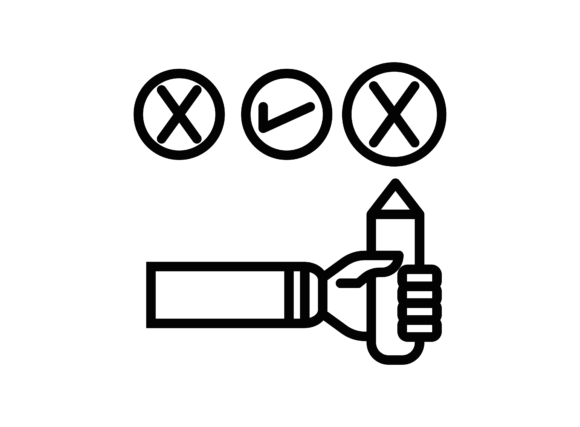
As a designer who’s stitched countless projects from custom apparel to holiday gifts, I’ve come to appreciate the subtle power of icons. Check Mark is one such icon that stands out for its clarity and purpose. At first glance, it exudes confidence—clean lines, sharp angles, and a strong visual identity that immediately communicates approval or confirmation. It’s not just an image; it’s a statement.
The First Impression: Clean, Functional, and Versatile
When I first opened the embroidery file, I was struck by how well Check Mark balances simplicity with detail. The design is meticulously crafted, with each line and curve contributing to its overall function. It doesn’t try to be complex—it just does what it needs to do: convey a checkmark with precision.
This makes it ideal for a wide range of embroidery projects. Whether you’re looking to add a subtle touch to a tote bag design, create a bold statement on a sweatshirt, or craft a personalized gift, Check Mark has the versatility to fit in seamlessly. Its clean aesthetic works equally well on a baby item or a custom apron, offering a sense of reliability and professionalism.
Real-World Use Cases: From Tote Bags to Holiday Gifts
Let’s imagine a scenario: I’m preparing a custom embroidered tote bag for a local boutique. The client wants something modern yet approachable. Check Mark fits perfectly here. It adds a touch of functionality without overwhelming the design. When stitched, it maintains its sharpness and clarity, making it easy to recognize at a glance.
But the real test comes when considering commercial embroidery applications. For instance, using Check Mark on a cap or a patch requires attention to stitch density and hoop size. The design’s angular nature means it can handle denser stitches without losing definition, which is crucial for small hoop sizes or detailed corners.
Another use case could be a holiday gift—a personalized pillow cover or tea towel. In this context, Check Mark serves as a thoughtful, minimalist accent. It adds a sense of completion, much like a checklist or a confirmation of quality. This makes it especially appealing for handmade products where every detail matters.
Where to Be Careful: Fabric and Detail Considerations
While Check Mark is versatile, there are situations where it might not perform as expected. For example, using it on thin or stretchy fabrics can lead to distortion, especially if the stabilizer isn’t properly applied. Dark fabric backgrounds can also mute the design’s impact, so it’s important to consider thread color contrast before finalizing your project.
Additionally, dense stitch areas and tiny lettering (if present) may require more careful handling. Testing the design on scrap fabric first is always a good idea. It helps identify potential issues with stitch density, alignment, or overall appearance before committing to a finished product.
Design Impact: Visual Appeal and Customer Trust
Check Mark contributes significantly to the visual appeal of any project. Its clean lines and structured form offer a sense of order and professionalism, which is essential for brand consistency. Whether used in a digital mockup or as part of a physical product, it enhances the overall presentation without being overbearing.
From a customer perspective, Check Mark adds a layer of trust and recognition. It’s familiar, yet unique enough to stand out. This is particularly valuable for small shop products or Etsy listings, where branding and visual identity play a key role in buyer engagement.
Practical Design Notes for Embroidery Professionals
If you're an Etsy seller or a craft business owner, there are a few things to keep in mind before using Check Mark in your projects. First, always test the design on scrap fabric. This allows you to assess stitch density, alignment, and overall appearance in a risk-free environment.
Second, review thread color contrast. A bright thread on a dark fabric can make the design pop, while a muted thread on light fabric may blend in too much. Testing in black and white mockups can help identify these issues early on.
Third, ensure you’re using the right stabilizer for your fabric type. Textured or stretchy fabrics may require a different approach than smooth, flat materials. Finally, confirm licensing terms before selling finished items or digital products. It’s always better to be safe than sorry when it comes to intellectual property.
Conclusion: A Reliable Choice for Real Projects
Check Mark is more than just an icon—it’s a reliable tool for designers and crafters alike. Its clean design, functional purpose, and adaptability make it a strong candidate for a wide range of embroidery projects, from custom apparel to handmade gifts. With proper consideration of fabric, stitch density, and thread color, it can elevate your work and enhance customer satisfaction.